Overcoming Logistics Barriers for SMEs in Intra-African Trade: NEPC’s Insights
Unlocking Africa’s Potential: Confronting the Challenges of Intracontinental Trade
Introduction
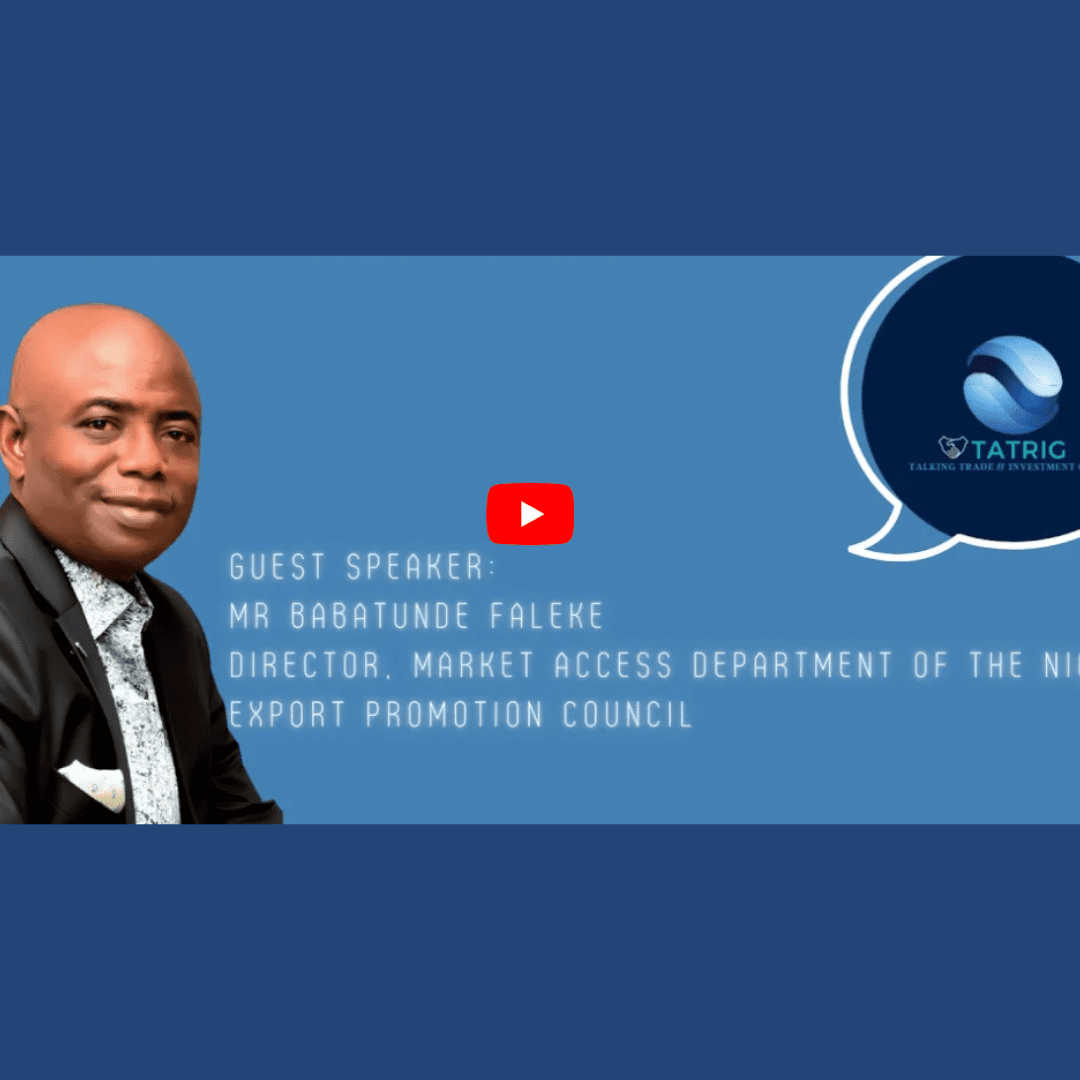
In a recent webinar presentation on intra-Africa trade, Mr. Babatunde Faleke, Director of the International Export Office of NEPC, delved into the intricacies and inherent challenges of intra-Africa trade. His insightful discourse shed light on the objectives, challenges, and opportunities associated with trade within the African continent.
Mr. Faleke’s presentation focused on providing an in-depth look at the complexities of facilitating trade between African nations. He outlined the overarching goals guiding intra-Africa trade initiatives while revealing the significant obstacles that constrain progress. By spotlighting these challenges and potential solutions, Mr. Faleke offered a balanced perspective on both the aspirations and realities of intra-Africa trade.
The discussion centred around key objectives that underpin efforts to boost intra-Africa trade, including attracting investment, increasing jobs, reducing poverty, and promoting shared prosperity across the continent. However, it was noted that actualizing these ambitious objectives has proven difficult. Mr. Faleke’s presentation aimed to unpack the various intra-Africa trade impediments while exploring opportunities to overcome them through cooperation and innovation.
Overall, the webinar provided an insightful overview of the intra-Africa trade landscape, arming attendees with a comprehensive understanding of the goals, barriers, and potential pathways to success. Mr. Faleke offered an objective analysis of the opportunities awaiting the continent while stressing the magnitude of the challenges ahead for governments, businesses, and stakeholders alike.
Challenges of Intra-Africa Trade
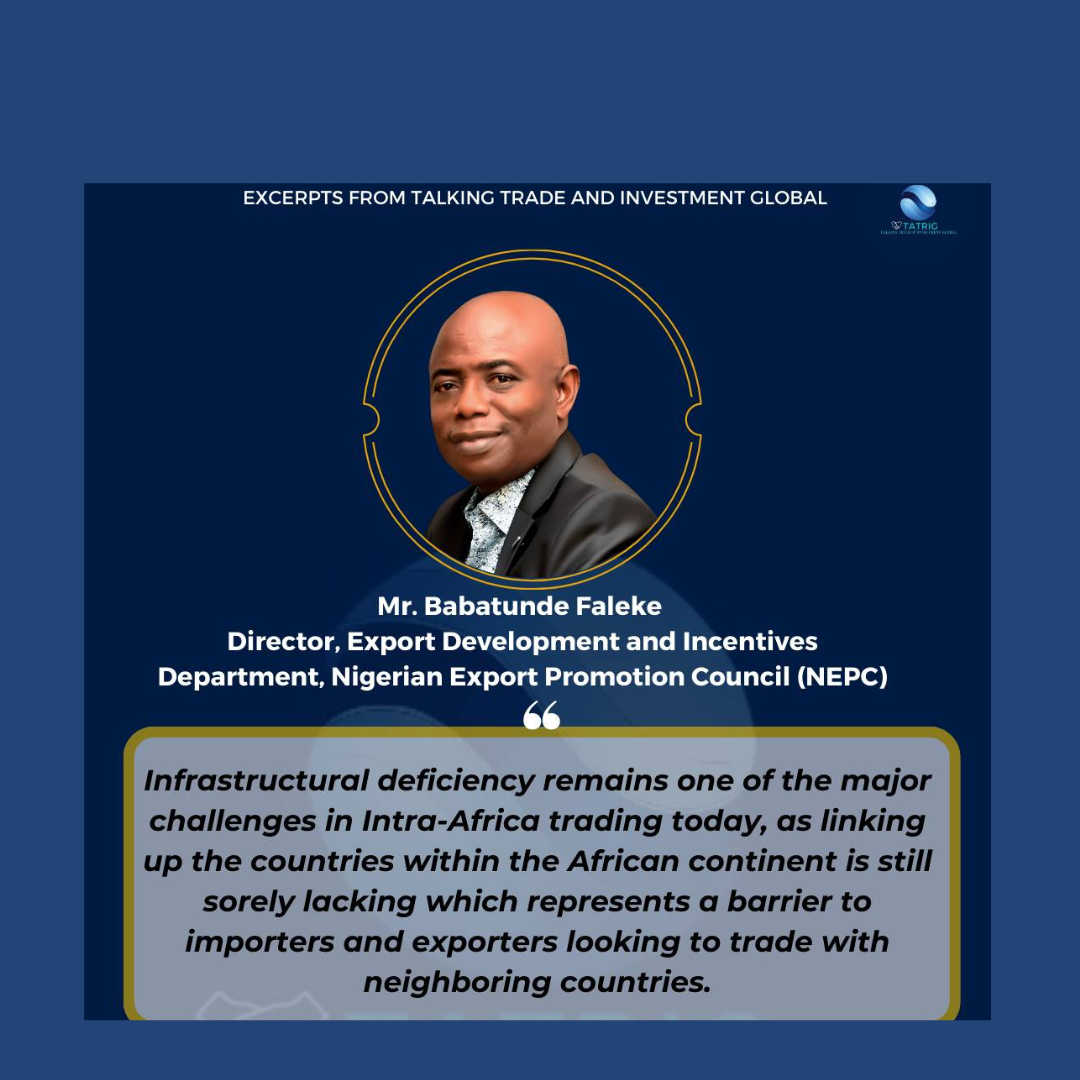
One of the primary challenges highlighted was the infrastructural deficiency within the African continent. The lack of efficient and robust infrastructure, such as transportation networks and logistics, posed a significant barrier to trade between neighbouring countries. This deficiency in infrastructure leads to excessive costs and long lead times for transporting goods, adversely impacting small and medium enterprises (SMEs).
Specifically, the poor road networks, railways, ports, and air transport connectivity make moving goods between African countries extremely challenging. The costs associated with transportation and logistics are significantly higher compared to other regions globally due to these infrastructural limitations.
SMEs, in particular, find it difficult to absorb and manage these high logistics expenses. As a result, their ability to engage competitively in intra-African trade is severely hindered. Building out the transportation and logistics infrastructure across Africa is crucial to unlocking the potential of intra-continental trade. Addressing these infrastructural deficiencies will help facilitate trade flows, reduce business costs, and enable African SMEs to participate in cross-border trade actively.
Inefficiencies in Logistics
Mr. Faleke pointed out critical inefficiencies in Africa’s logistics and transportation networks that hinder the movement of goods across borders. He highlighted that shipping times for transporting goods between African countries are often prolonged, taking weeks or even months to reach destinations that would typically take days or weeks when shipping outside the continent.
Limited flight frequencies between many African countries also pose a challenge, as fewer direct flight routes connect African cities than other regions globally. Exporters thus have to deal with connecting through limited air hubs, adding to transit times. The African airline industry has enormous room for growth to improve connectivity across countries and reduce logistics inefficiencies.
These logistical challenges lead to substantially higher transportation costs and reduced reliability in moving goods around Africa. As Mr. Faleke emphasized, this significantly impacts SMEs that cannot readily absorb the high costs and delays associated with inefficient logistics. Improving infrastructure and transportation networks should be a key priority to facilitate more seamless trade flows across Africa.
Manufacturing Capabilities and Informal Sector Challenges
A significant challenge raised by Mr. Faleke was the issue of limited manufacturing capabilities across Africa. He explained that many African countries lack the infrastructure, technology, and scale to produce goods efficiently. This results in relatively high production costs compared to overseas competitors.
African companies struggle to export regionally without the ability to manufacture products cost-competitively. Weak manufacturing output also necessitates increased imports of essential goods and raw materials from abroad. This strains foreign currency reserves for many African nations.
Mr Faleke gave examples of industries like textiles and automotive assembly where Africa imports most finished products consumed rather than producing them domestically. He contrasted this to countries like China, India, and Thailand, where large-scale manufacturing helps drive exports.
In summary, the speaker emphasized that for intra-Africa trade to reach its potential, significantly boosting manufacturing productivity and capabilities is essential. This will require significant investments in infrastructure, technology, skills training, and building scale. With improved competitiveness, African companies can better supply regional markets while reducing reliance on imports.
Informal Sector Challenges
A significant challenge Mr. Faleke highlighted was the difficulty in controlling the sizeable informal sector in many African economies. The informal sector, comprised of small unregistered businesses, makes up a large percentage of economic activity in many countries. However, the lack of regulation and inability to track or tax these informal enterprises pose a significant impediment for governments in fostering a fair trade environment.
With limited oversight or structure, the informal sector can undermine formally registered businesses by avoiding taxes and regulations. This allows informal enterprises to potentially undercut prices artificially. The size and opacity of the informal sector also make it difficult to implement policies or initiatives aimed at supporting small businesses, as many smaller firms operate informally.
Overall, the sizable presence yet elusive nature of the informal sector was emphasized by Mr. Faleke as a unique challenge in the African context. Taming the informal sector will require innovative policy solutions to encourage registration and compliance without being overly punitive to micro-enterprises operating informally out of necessity. Striking the right balance will be critical as governments work to level the playing field for all businesses.
Empowerment of SMEs
SMEs (small and medium-sized enterprises) are crucial players in intra-Africa trade that require support and empowerment, as Mr. Faleke emphasized. SMEs comprise over 90% of African businesses and provide around 80% of jobs, yet challenges hamper their capacity to engage in cross-border trade.
Limited access to trade finance presents a significant obstacle for SMEs looking to export or import within Africa. Difficulty securing loans from financial institutions due to lack of credit history and collateral restricts SMEs’ ability to obtain working capital needed for intra-Africa trade. Interventions to increase SME access to finance through mechanisms like export credit guarantees and lower loan collateral requirements are essential.
SMEs face hurdles from regulatory burdens and red tape within African nations, increasing the time and cost of trading across borders. Streamlining customs processes, harmonizing trade regulations between countries, and supporting SMEs with compliance can reduce these impediments. Additionally, improving SME adoption of technologies like e-commerce platforms and digital payment solutions can expand their access to intra-African markets.
With the proper government support, access to finance, and technological tools, SMEs can gain the capacity to participate in and reap the benefits of intra-Africa trade fully. As the backbone of African economies, empowering SMEs will be vital for fostering inclusive and sustainable intra-continental trade.
Potential Solutions
Intra-Africa trade faces many complex challenges, but amidst these hurdles lie promising solutions. As Mr. Faleke emphasized in his presentation, enhancing advocacy, cooperation, and logistical networks could pave the path for more seamless and cost-effective trade across African borders.
Advocacy and Cooperation
First and foremost, there is a need for advocacy and cooperation between governments, businesses, and stakeholders at both national and continental levels. Awareness of intra-Africa trade benefits is critical to gaining buy-in and commitment from all parties. This requires open communication channels and proactive engagement between the public and private sectors. Cooperation between countries through trade agreements and joint infrastructure projects could also break down some current barriers. A collaborative spirit focused on the bigger picture of economic prosperity could be a game-changer.
Investing in Logistics
Another critical area is developing efficient and modern logistics networks across Africa. As transport and logistics costs are a significant impediment, investing in airports, roads, railways, and port infrastructure would smoothen trade flows. Governments could partner with logistics providers to establish competitive transit corridors and streamline convoluted customs processes. Technology can assist by providing end-to-end visibility and helping coordinate multi-country shipments. Overall, prioritizing logistics and facilitating the easy movement of goods is vital for intra-Africa trade.
In summary, while the path ahead has obstacles, strategic advocacy, cooperation, and logistics investments could unlock immense potential for robust intra-African trade.
Opportunities
Despite the challenges, intra-Africa trade also presents exciting opportunities across the continent. As Mr. Faleke noted, the difficulties in logistics and transportation specifically hold potential for innovation and entrepreneurship.
Transport and Logistics
The deficiencies in transport links and logistical networks between African countries open up business opportunities to provide solutions. There is a significant need for faster, more efficient, and cost-effective ways to move goods across borders. Companies leveraging technology and building partnerships to streamline cross-border transportation and shipping could tap into an underserved market. Similarly, opportunities exist for on-the-ground logistics providers to facilitate the movement of goods from production to end markets within Africa. They can add value for traders and manufacturers by focusing on overcoming current roadblocks.
Innovations in transport and logistics also have spillover benefits for intra-regional trade. As shipping products between countries becomes cheaper and faster, more small businesses can take advantage of cross-border opportunities. Overall, improving the logistics infrastructure has the potential to catalyze intra-Africa trade significantly.
Conclusion: Summary of Challenges and Opportunities
Mr. Faleke’s insightful presentation highlighted several key challenges and opportunities associated with intra-Africa trade. On the challenges front, deficiencies in infrastructure, logistical inefficiencies, limited manufacturing capabilities, and a sizeable informal sector were noted as significant impediments. The high costs and complexity of transporting goods between African nations, exacerbated by poor transportation networks, pose a substantial barrier for businesses, especially SMEs, seeking to engage in cross-border trade.
However, Mr. Faleke emphasized that these challenges also give rise to opportunities, particularly in developing solutions for more efficient logistics and empowering SMEs to participate in intra-regional trade. Improved infrastructure, increased government support, better access to finance, and leveraging technology were noted as potential ways to enable SMEs to thrive in the intra-Africa trade environment. Developing capabilities in manufacturing and addressing the informal sector were also highlighted as areas of opportunity.
In summary, while intra-Africa trade faces considerable hurdles, it also presents immense potential for job creation, economic growth, and prosperity across the continent. Realizing this potential will require concerted efforts from all public and private stakeholders to work together in addressing the barriers while capitalizing on the opportunities. With collaboration and commitment, the vision of a robust intra-African trade ecosystem can inch closer to reality.
Key Takeaways
Mr. Faleke’s presentation on intra-Africa trade highlighted several key takeaways:
Achieving the full potential of intra-Africa trade will require collaboration between governments, businesses, and stakeholders across the continent. Tackling challenges like infrastructure deficits and inefficient logistics requires coordinated efforts and investments.
While significant challenges exist, these can also present opportunities, especially in transport, logistics, manufacturing, and technology. Innovation and entrepreneurship could unlock solutions.
Empowering SMEs will be critical, as they make up a large portion of African businesses. Providing SMEs with greater access to finance, capacity building, and logistics support can enable them to engage in more intra-Africa trade.
Advocacy and cooperation will be needed to drive the intra-Africa trade agenda forward. Platforms for dialogue between public and private sector players can help align priorities and incentives.
Upgrading transport infrastructure and logistics is fundamental to reducing costs and delays for cross-border trade. Both physical networks and digital systems for tracking goods and streamlining processes are required.
While achieving the full promise of intra-Africa trade faces obstacles, surmounting these has tremendous potential for economic growth, job creation, and shared prosperity across the continent. With concerted efforts, this vision can become a reality.