Maximizing Nigeria’s Export Potential: Overcoming Challenges and Seizing Opportunities
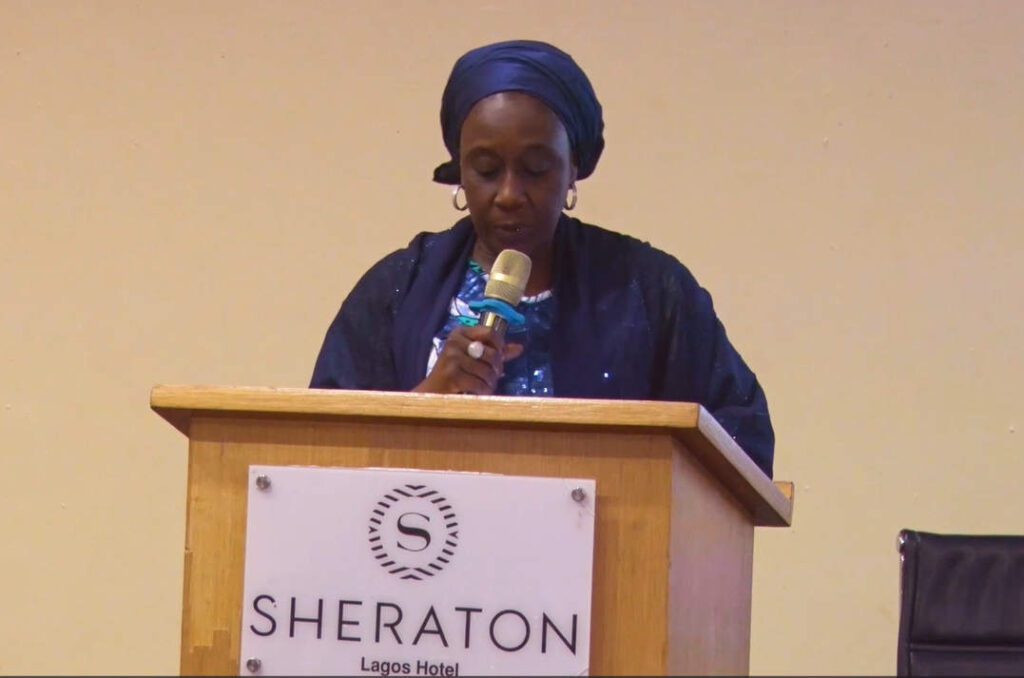
A Deep Dive into Nigeria’s Export Potential: Perspectives from Madame Afie Braimoh
Introduction:
In a recent episode of the Talking Trade TATRIG podcast, Madame Afie Braimoh, an experienced exporter and advocate for Nigerian businesses, shared her insights on the challenges and opportunities within Nigeria’s export industry. Her thought-provoking presentation sheds light on the importance of collaboration, education, and innovation in realizing Nigeria’s immense economic potential.
I. The Promise and the Obstacles:
Afie Braimoh considers the ambitious target of transforming Nigeria’s $4.8 billion export economy into a $25 billion powerhouse within three years, a seemingly daunting task. However, she acknowledges that with the right political will, favorable government policies, and improved ease of doing business, anything is possible. The government plays a pivotal role in creating an enabling environment for businesses to thrive.
II. The Need for Education and Grassroots Empowerment:
While government support is crucial, Afie Braimoh stresses the significance of empowering small and medium-sized enterprises (SMEs) at the grassroots level. She recounts her experience as a commissioner launching a Farm to Table program aimed at educating farmers on value chain opportunities and market requirements. Through these initiatives, farmers can better understand their products, improve packaging and branding, and prepare for the global marketplace.
III. Leveraging Value Chain Opportunities:
Afie Braimoh highlights the case of the cashew industry, where Nigeria exports raw cashew to countries like India, losing out on the value-added opportunities that exist in processing and manufacturing. By educating farmers and encouraging collaboration within the sector, Nigeria can capture a larger share of the value chain and export processed cashew products directly, thus commanding higher prices and boosting the economy.
IV. Certification and Quality Standards:
To compete on the global stage, Afie Braimoh emphasizes the importance of adhering to international certification and quality standards. For instance, organic products must undergo certification processes to be labeled as such. Compliance with legal requirements ensures consumer trust and access to lucrative markets. This necessitates educating SMEs on nutritional labels, legal regulations, and the need to align their products with the standards of target countries.
V. Exploring New Trade Platforms:
With the aim of reducing dependence on foreign exchange and expanding export opportunities, Afie Braimoh introduces Ancestral, a trade platform that enables buyers and sellers to conduct transactions and settle in local currency. This innovative tool fosters trust, streamlines transactions, and empowers Nigerian businesses to trade internationally with greater ease.
VI. Strengthening Collaborations and Market Access:
Afie Braimoh believes in fostering collaborations between Nigerian businesses and international buyers to enhance market access. By organizing trade shows, pop-up exhibitions, and establishing African hubs in major international markets like Miami, Nigerian products can be exposed to a wider audience. These initiatives create networking opportunities, promote cultural exchange, and increase the visibility of Nigerian goods.
VII. Pushing for Financial Support:
Access to funding remains a significant challenge for agro-processors and exporters in Nigeria. Afie Braimoh suggests collaborating with Export Nexen Bank and other financial institutions to develop funding solutions tailored to the needs of exporters. This partnership between the government and private sector organizations will help alleviate financial constraints and provide the necessary support for the growth and expansion of export-oriented businesses.
Conclusion:
Madame Afie Braimoh’s enlightening presentation offers valuable insights into the current state of Nigeria’s export industry and highlights the path to success. Through educational programs, collaboration, and innovative trade platforms, Nigeria can overcome challenges, tap into its vast export potential, and position itself as a global player. The journey to reaching the $25 billion export target may be challenging, but with concerted efforts, Nigeria can unlock new opportunities and drive economic growth. By empowering SMEs, strengthening value chains, ensuring quality standards, and encouraging collaboration, Nigeria can confidently take its place on the global stage of trade and commerce.