Call to Action: Collective Effort Needed to Address Challenges
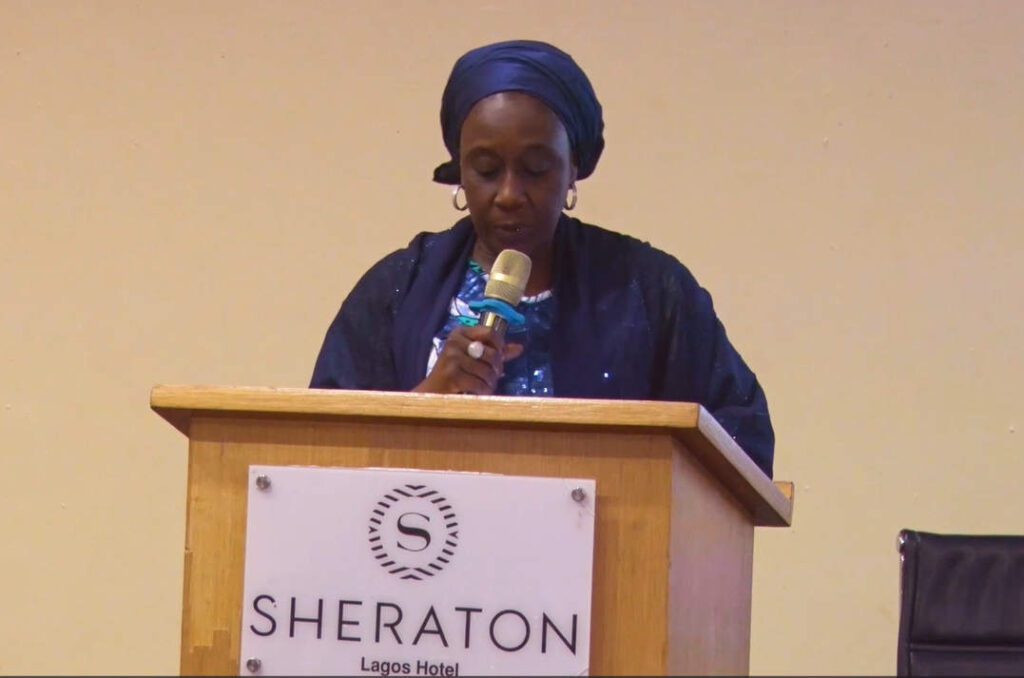
by Aisha Abubakar – former Minister of States for Industry, Trade, and Investors
In a keynote address delivered at the recent national dialogue organized by Talking Trade and Investment Global, former Minister of States for Industry, Trade, and Investors, Aisha Abubakar emphasized in her speech that overcoming the challenges facing Nigeria’s non-oil export sector will require a collective effort by all stakeholders. She noted that the government, private sector, industry associations, exporters, farmers, academia and civil society must work together to implement solutions.
Some key recommended actions she highlighted for stakeholders include:
– Improving collaboration between government agencies to coordinate export initiatives and policy.
– Businesses investing in skills, technology and infrastructure to increase productivity and meet international standards.
– Business associations providing training and export education to members.
– Exporters formalizing operations and improving processes to access export incentives.
– Farmers forming cooperatives to share knowledge and aggregate produce.
– Academia partnering with industry to equip students with relevant skills.
– Civil society monitoring implementation and supporting vulnerable groups.
Aisha Abubakar emphasized that addressing these challenges requires an inclusive effort, with each stakeholder playing their part. Only through collective action can Nigeria build a thriving non-oil export sector and realize its full economic potential. The national dialogue can serve as a platform for stakeholders to develop joint solutions and commit to collaborative action.
Conclusion
In her keynote address, Aisha Abubakar provided critical insights into the urgent need to prioritize and grow Nigeria’s non-oil export sector as a pathway for economic revitalization and diversification. She succinctly highlighted the significance of increasing non-oil export earnings, examined the challenges facing the sector, and outlined potential solutions and the role different stakeholders must play.
The address underscored how increased non-oil exports can boost Nigeria’s foreign reserves, create employment, add value to commodities, and reduce overdependence on crude oil. However, realizing the full potential of non-oil exports requires urgently addressing infrastructure deficits, policy gaps, coordination issues, and creating an enabling environment for businesses to thrive.
Aisha Abubakar’s emphasis on sustaining government initiatives, addressing EEG backlogs, and strengthening stakeholder collaboration serves as a timely call to action. As Nigeria seeks to overcome economic challenges, the insights from her keynote address provide a blueprint for revitalizing the economy through increased non-oil exports. By inspiring urgent stakeholder action, her speech could catalyze policy changes and investments to unlock Nigeria’s economic potential.
Recommendations from Dialogue
The national dialogue on non-oil exports brought together key stakeholders across the public and private sectors, culminating in actionable recommendations to boost Nigeria’s non-oil exports.
Some key recommendations highlighted during the dialogue include:
– Improving access to affordable financing for SMEs involved in exports through development finance institutions and export stimulus funds. This will enable businesses to overcome financial constraints.
– Fast-tracking investments in modern storage and transport infrastructure and export free zones to ease bottlenecks and lower costs.
– Pursuing strategic bilateral partnerships with major importing countries to secure export opportunities and incentives. This can boost trade in agriculture, minerals, and light manufactures.
– Implementing supportive fiscal and monetary policies like export rebates, export guarantees, and competitive exchange rates to incentivize exports.
– Strengthening efforts on international certifications, standards compliance, and product branding to enable Nigerian exports compete globally.
– Leveraging technology and innovation across production, processing and packaging to enhance export capabilities and reach new markets.
– Building synergies between public agencies and the organized private sector to collaborate on export promotion programs and interventions.
– Pursuing vocational skills training, entrepreneurship programs and access to market information to empower youth and women participation in exports.
The dialogue underscored that successfully boosting non-oil exports requires coordinated efforts across stakeholders. Implementing these recommendations can significantly advance Nigeria’s economic diversification and growth objectives.


